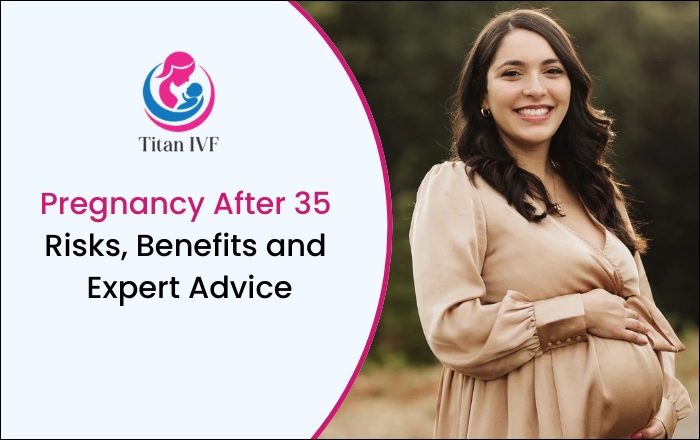
Pregnancy is a beautiful journey, and today, more women are choosing to start or expand their families after the age of 35. Whether it’s due to career goals, financial stability, personal choices, or finding the right partner later in life, pregnancy after 35 has become increasingly common.
While pregnancy at this stage is often healthy and successful, it does come with certain medical considerations. Understanding the potential risks, benefits, and ways to ensure a healthy pregnancy can help expecting mothers make informed decisions and enjoy this exciting phase with confidence.
What is Considered an Advanced Maternal Age Pregnancy?
A pregnancy in women aged 35 years or older is medically referred to as Advanced Maternal Age (AMA). Although this term may sound concerning, it simply indicates that healthcare providers may recommend additional monitoring throughout the pregnancy to ensure the health of both mother and baby.
With modern medical care and regular prenatal checkups, many women over 35 experience normal pregnancies and deliver healthy babies.
Benefits of Pregnancy After 35
Contrary to popular belief, becoming pregnant after 35 also offers several advantages.
1. Greater Emotional Maturity
Women in their mid-thirties and beyond often feel more emotionally prepared for motherhood. They tend to make informed decisions and manage parenting responsibilities with greater confidence.
2. Financial Stability
Many couples are more financially secure by this age, making it easier to plan for prenatal care, childbirth, and raising a child.
3. Healthier Lifestyle Choices
Women planning pregnancy after 35 are generally more conscious about nutrition, exercise, avoiding harmful habits, and following medical advice.
4. Better Family Planning
Many pregnancies after 35 are well-planned, allowing women to prepare physically and mentally before conception.
Risks Associated with Pregnancy After 35
Although many pregnancies progress without complications, certain health risks increase with age.
1. Reduced Fertility
As women age, both the number and quality of eggs gradually decline, making conception more challenging compared to younger years.
2. Higher Risk of Gestational Diabetes
Hormonal changes during pregnancy can increase the likelihood of developing gestational diabetes, particularly after age 35.
Symptoms may include:
- Increased thirst
- Frequent urination
- Fatigue
- Blurred vision
Regular blood sugar screening helps detect and manage this condition effectively.
3. High Blood Pressure During Pregnancy
Women over 35 have a slightly higher chance of developing pregnancy-induced hypertension or preeclampsia.
Symptoms may include:
- Persistent headaches
- Swelling of hands and face
- Blurred vision
- High blood pressure
Early diagnosis significantly reduces complications.
4. Increased Risk of Chromosomal Conditions
The likelihood of chromosomal abnormalities, such as Down syndrome, increases with maternal age. Prenatal screening and diagnostic tests help assess these risks early in pregnancy.
5. Higher Chance of Miscarriage
Due to age-related changes in egg quality, the risk of miscarriage is slightly higher compared to younger women.
6. Increased Likelihood of Cesarean Delivery
Women above 35 may have a greater chance of requiring a C-section because of pregnancy complications or labor-related factors.
How to Have a Healthy Pregnancy After 35
A healthy pregnancy depends on proper planning and regular medical care.
Schedule a Preconception Consultation
Before trying to conceive, consult a gynecologist to evaluate your overall health, medical history, medications, and lifestyle habits.
Eat a Balanced Diet
Your diet should include:
- Fresh fruits and vegetables
- Whole grains
- Lean proteins
- Dairy products
- Iron-rich foods
- Calcium-rich foods
- Folic acid
Proper nutrition supports fetal growth and maternal health.
Maintain a Healthy Weight
Being overweight or underweight may increase pregnancy complications. Regular physical activity and a balanced diet help maintain a healthy body weight.
Exercise Regularly
Low-impact exercises such as:
- Walking
- Prenatal yoga
- Swimming
- Stretching
can improve circulation, reduce stress, and prepare the body for childbirth.
Always consult your doctor before beginning any exercise routine.
Attend Regular Prenatal Checkups
Routine prenatal visits help monitor:
- Baby’s growth
- Mother’s blood pressure
- Blood sugar levels
- Fetal heartbeat
- Ultrasound findings
Early detection of complications allows timely treatment.
Take Prenatal Vitamins
Folic acid, iron, calcium, vitamin D, and other prenatal supplements help reduce birth defects and support healthy fetal development.
Take supplements only as prescribed by your doctor.
Avoid Smoking and Alcohol
Smoking, alcohol, and recreational drugs significantly increase the risk of miscarriage, premature birth, and birth defects. Eliminating these habits is essential for a healthy pregnancy.
Manage Existing Medical Conditions
If you have conditions such as:
- Diabetes
- High blood pressure
- Thyroid disorders
- PCOS
work closely with your gynecologist to keep them well-controlled before and during pregnancy.
Recommended Prenatal Screening After 35
Your doctor may advise additional screening tests, including:
- First-trimester screening
- NIPT (Non-Invasive Prenatal Testing)
- NT Scan
- Double Marker Test
- Anomaly Scan
- Growth Ultrasounds
- Chorionic Villus Sampling (CVS) in selected cases
- Amniocentesis when medically indicated
These tests help evaluate the baby’s health and detect certain genetic conditions early.
When Should You See a Gynecologist?
Consult your gynecologist if you:
- Are planning pregnancy after age 35.
- Have difficulty conceiving after six months of trying.
- Experience irregular periods.
- Have repeated miscarriages.
- Have diabetes, hypertension, thyroid disorders, or PCOS.
- Notice bleeding, severe abdominal pain, or reduced fetal movements during pregnancy.
Early medical guidance greatly improves pregnancy outcomes.
Expert Advice for Women Planning Pregnancy After 35
Pregnancy after 35 should not be viewed as a barrier to motherhood. Advances in obstetric care, prenatal screening, and maternal health management have made it possible for countless women to experience safe pregnancies and healthy deliveries.
The key is early planning, maintaining a healthy lifestyle, attending regular prenatal appointments, and following your gynecologist’s recommendations throughout the pregnancy journey.
Pregnancy after 35 is becoming increasingly common and, with proper medical care, can be a rewarding and healthy experience. While certain risks are higher than in younger pregnancies, they can often be managed successfully through early prenatal care, healthy habits, and regular monitoring.
About Dr. Priti Sonawane – Gynecologist in Andheri
Dr. Priti Sonawane is a trusted and experienced Gynecologist in Andheri, dedicated to providing comprehensive women’s healthcare with a compassionate and patient-centric approach. She specializes in pregnancy care, high-risk pregnancies, infertility evaluation, PCOS management, menstrual disorders, family planning, and preventive gynecological care. From preconception counseling to postpartum care, If you are planning a pregnancy after 35 or require expert obstetric and gynecological care, schedule a consultation with Dr. Priti Sonawane for professional guidance and complete support throughout your motherhood journey.