When you are trying to conceive, nutrition is one area where small, consistent changes can make a meaningful difference. While no single food can guarantee pregnancy, a balanced diet can support overall reproductive health, healthy hormone function, ovulation, sperm health, and a healthy body weight. Choosing nutrient-rich foods regularly may be a useful part of a broader fertility plan for both women and men.
Foods That May Improve Fertility
1. Leafy Green Vegetables
Spinach, kale, fenugreek leaves, broccoli, and other green vegetables are rich in folate, iron, antioxidants, and other essential nutrients. Folate is particularly important before and during early pregnancy because of its role in cell division and fetal development. Including a variety of leafy greens in meals can help improve overall dietary quality while preparing the body for conception.
2. Berries and Other Colourful Fruits
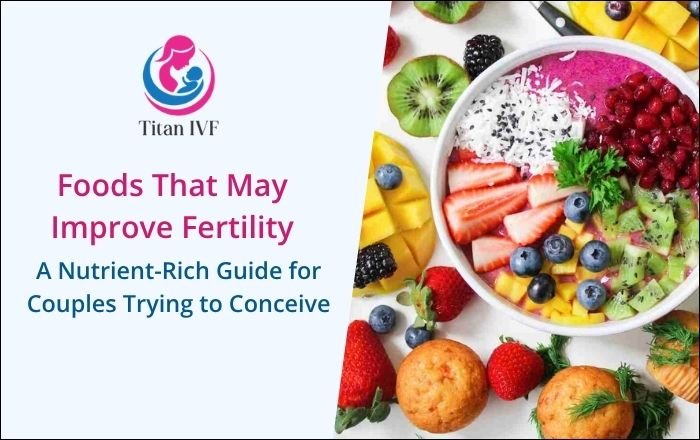
Strawberries, blueberries, raspberries, oranges, and other colourful fruits provide antioxidants such as vitamin C and other plant compounds. Antioxidants help protect cells from oxidative stress. Since reproductive cells can also be affected by oxidative stress, regularly including a variety of fruits may support overall reproductive wellness.
3. Nuts and Seeds
Walnuts, almonds, pumpkin seeds, sunflower seeds, and flaxseeds are sources of healthy fats, protein, minerals, and antioxidants. Walnuts, in particular, provide omega-3 fatty acids. Adding a small portion of unsalted nuts or seeds to your daily diet can be a simple way to increase nutrient intake.
4. Whole Grains
Replace refined grains with whole grains such as oats, brown rice, whole-wheat roti, quinoa, and millets where appropriate. Whole grains provide fibre and important nutrients and may help support steadier blood sugar levels. A balanced intake of whole grains can be especially useful for people working toward a healthy weight and better overall metabolic health.
5. Fatty Fish
Salmon, sardines, mackerel, and other low-mercury fatty fish are good sources of omega-3 fatty acids and protein. Healthy fats play important roles in the body, including normal hormone production and cellular function. If you eat fish while trying to conceive, choose lower-mercury options and follow pregnancy-safe seafood recommendations once pregnant.
6. Eggs and Other Quality Protein Sources
Eggs provide high-quality protein along with nutrients such as choline, vitamin B12, and selenium. Other useful protein choices include beans, lentils, chickpeas, tofu, paneer, poultry, and fish. Rather than relying on one particular food, aim for variety throughout the week.
7. Avocados and Healthy Fats
Avocados contain monounsaturated fats, fibre, folate, and several vitamins and minerals. Olive oil, nuts, seeds, and other sources of unsaturated fats can also be incorporated into a balanced diet. Healthy fats are an important part of overall nutrition and can be preferable to frequently consuming foods high in trans fats or heavily processed fats.
8. Legumes and Beans
Lentils, chickpeas, kidney beans, black beans, and other legumes provide plant-based protein, fibre, folate, iron, and other nutrients. They are affordable and versatile, making them easy to include in Indian meals such as dal, usal, chana, rajma, and sprouts.
9. Dairy or Suitable Alternatives
Milk, curd, and other dairy foods can provide protein, calcium, and other nutrients. Choose options that fit your dietary needs and avoid excessive amounts of heavily sweetened dairy products. If you prefer plant-based alternatives, select fortified products where appropriate.
What Foods Should You Limit?
A fertility-friendly eating pattern is not only about adding nutritious foods. It is also sensible to limit highly processed foods, excessive added sugar, trans fats, excessive alcohol, and very high caffeine intake. Smoking and tobacco use should also be avoided when trying to conceive. Maintaining a healthy weight through balanced nutrition and regular physical activity may further support reproductive health.
When Should You Seek Fertility Advice?
Food can support general health, but nutrition alone cannot treat every fertility problem. Conditions such as ovulation disorders, blocked fallopian tubes, endometriosis, low sperm count, or other reproductive issues may require medical evaluation and treatment. If you have been trying to conceive without success, consulting a fertility specialist can help identify the underlying cause and determine appropriate next steps.
IVF Specialist in Andheri
For couples looking for professional fertility guidance, Dr. Gautam Sonawane, IVF Specialist in Andheri, provides fertility-focused consultation and treatment support. A specialist can assess individual reproductive factors, recommend appropriate investigations, and help couples understand options such as lifestyle modification, fertility treatments, or IVF when clinically indicated. Personalized guidance is particularly valuable because fertility needs can vary significantly from one couple to another.
FAQs
1. Can food really improve fertility?
A balanced diet may support reproductive and overall health, but no food can guarantee pregnancy.
2. Which fruits are good while trying to conceive?
Berries, oranges, apples, and other varied, nutrient-rich fruits can be included regularly.
3. Are nuts helpful for fertility?
Yes. Nuts provide healthy fats, protein, minerals, and antioxidants that support overall nutrition.
4. Should men follow a fertility-friendly diet too?
Yes. Nutrition can also support general health and factors related to sperm production and quality.
5. When should I consult an IVF specialist?
If conception is taking longer than expected or there are known fertility concerns, seek specialist advice rather than relying only on dietary changes.