
IVF Treatment

Frozen Embryo Transfer (FET): Process, Success Rates & Cost | Dr. Priti Shyamkul-Sonawane
IVF Treatment

What Is Frozen Embryo Transfer (FET)? Process, Success Rates & Costs

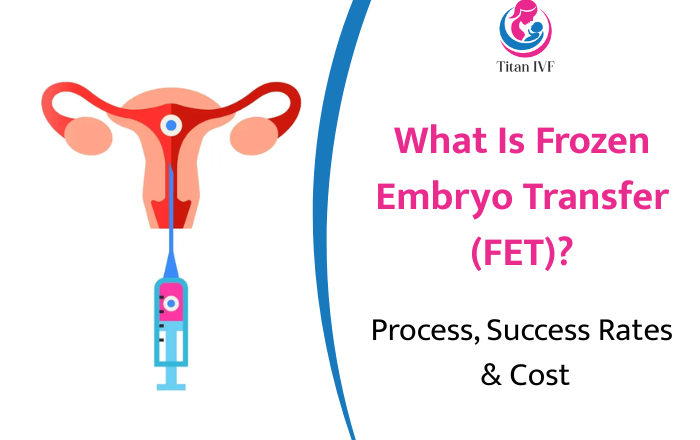
Frozen Embryo Transfer (FET) is an important step in modern fertility treatment that has helped many individuals and couples achieve pregnancy. With advances in IVF technology, freezing embryos has become safer, more reliable, and highly effective. If you are exploring fertility options, understanding how FET works, its success rates, and associated costs can help you make informed decisions. Understanding Frozen Embryo Transfer (FET) Frozen Embryo Transfer is a procedure in which an embryo created during an earlier IVF cycle is frozen, stored, and later transferred into the uterus. Instead of using fresh embryos immediately after egg retrieval, doctors freeze healthy embryos and use them in a future cycle when the uterus is well-prepared for implantation. FET is often recommended to improve pregnancy outcomes, reduce physical stress on the body, and provide flexibility in fertility planning. Who Can Benefit from FET? Frozen Embryo Transfer may be suitable for: Women who have excess embryos after an IVF cycle Patients advised to delay pregnancy for medical reasons Those with hormonal imbalances during fresh IVF cycles Women at risk of ovarian hyperstimulation syndrome (OHSS) Couples planning pregnancy at a later stage FET allows patients to focus on uterine health before embryo transfer, which can increase the chances of success. Step-by-Step Frozen Embryo Transfer Process 1. Embryo Freezing and Storage After IVF fertilization, high-quality embryos are selected and frozen using advanced cryopreservation techniques. These embryos can be stored safely for several years without affecting their potential. 2. Uterine Preparation In a future cycle, the uterus is prepared to support implantation. This can be done through: Natural cycles (tracking ovulation) Medicated cycles using estrogen and progesterone The goal is to ensure optimal thickness and receptivity of the uterine lining. 3. Thawing the Embryo On the day of transfer, the frozen embryo is carefully thawed in the laboratory. Modern freezing methods ensure high survival rates after thawing. 4. Embryo Transfer The embryo is placed into the uterus using a thin catheter. This is a simple, painless procedure that usually does not require anesthesia. 5. Pregnancy Test A blood test is performed around 10–14 days after transfer to confirm pregnancy. Success Rates of Frozen Embryo Transfer FET success rates have improved significantly and, in many cases, are comparable to or even higher than fresh embryo transfers. Factors that influence success include: Age of the woman at the time of egg retrieval Embryo quality Uterine health Underlying fertility conditions On average, FET success rates range between 40% and 60% per cycle, though individual results may vary. Advantages of Frozen Embryo Transfer Frozen Embryo Transfer offers several benefits: Allows the body time to recover after egg retrieval Reduces the risk of OHSS Provides flexibility in timing pregnancy Enables genetic testing of embryos before transfer Often results in better uterine conditions These advantages make FET a preferred option for many fertility specialists and patients. Cost of Frozen Embryo Transfer The cost of Frozen Embryo Transfer depends on multiple factors, such as clinic location, medication needs, and storage duration. Typically, the cost includes: Embryo thawing Uterine preparation medications Embryo transfer procedure Monitoring and follow-up tests In India, the average cost of FET may range from ₹60,000 to ₹1,50,000 per cycle, excluding embryo freezing and storage fees from the original IVF cycle. Is FET Safe? Yes, Frozen Embryo Transfer is considered safe and widely practiced. Research shows that babies born through FET have similar health outcomes compared to those from fresh transfers. The procedure is less physically demanding and emotionally more manageable for many patients. Frozen Embryo Transfer (FET) has become a reliable and effective option in fertility treatment, offering flexibility, improved uterine preparation, and encouraging success rates. With advances in embryo freezing techniques, FET allows couples to plan pregnancy at the right time while reducing physical stress and improving overall outcomes. Understanding the process, success factors, and costs helps patients feel more confident and prepared throughout their fertility journey. If you are considering Frozen Embryo Transfer or want expert guidance tailored to your needs, consult Dr. Priti Shyamkul-Sonawane – Gynecologist & IVF Specialist at Titan IVF, Andheri West, Mumbai, to explore the most suitable fertility options and take a positive step toward parenthood. Frequently Asked Questions (FAQs) 1. How long can embryos remain frozen for FET? Embryos can be safely frozen and stored for several years without losing quality. Many studies show that long-term freezing does not affect implantation or pregnancy outcomes when embryos are properly preserved. 2. Is Frozen Embryo Transfer better than fresh embryo transfer? In many cases, FET offers similar or higher success rates compared to fresh transfers. This is because the uterus is allowed to recover and hormones are better balanced before the embryo is transferred. 3. Does Frozen Embryo Transfer cause pain or discomfort? FET is a simple and painless procedure. Most women experience minimal discomfort, and anesthesia is usually not required during embryo transfer. 4. How many embryos are transferred during FET? Usually, one embryo is transferred to reduce the risk of multiple pregnancies. However, the number may vary based on age, embryo quality, and medical history. 5. How soon can I try another FET cycle if the first one fails? If the cycle is unsuccessful, doctors may recommend waiting for one menstrual cycle before planning the next transfer, depending on your physical and emotional readiness.

IVF Step-by-Step Process Explained | Dr. Priti Shyamkul-Sonawane, Titan IVF Mumbai
IVF Treatment

IVF Step-By-Step Process Explained: From Consultation To Pregnancy

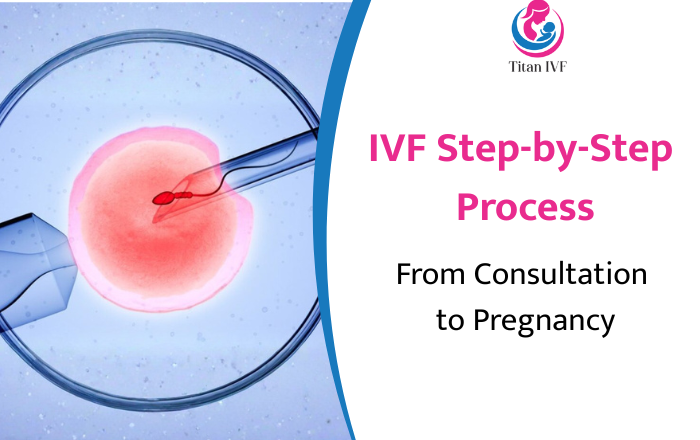
In vitro fertilization (IVF) has helped millions of couples worldwide achieve their dream of parenthood. While the term “IVF” is widely known, the actual process often feels complex and overwhelming to those considering it for the first time. Understanding each stage can ease anxiety, set realistic expectations, and help couples feel more confident as they begin their fertility journey. Here is a clear, step-by-step explanation of the IVF process—from the first consultation to pregnancy. Step 1: Initial Consultation and Fertility Assessment The IVF journey begins with a detailed consultation at a fertility clinic. During this stage, the fertility specialist reviews the couple’s medical history, lifestyle factors, and any previous fertility treatments. Both partners typically undergo diagnostic tests. For women, this may include hormone blood tests, ultrasound scans to check ovarian reserve, and evaluation of the uterus. For men, semen analysis is done to assess sperm count, motility, and quality. Based on these findings, the doctor determines whether IVF is the most suitable option and explains the personalized treatment plan, success rates, timelines, and costs. Step 2: Ovarian Stimulation In a natural menstrual cycle, a woman usually releases one egg. IVF requires multiple mature eggs to improve the chances of fertilization and healthy embryo development. During ovarian stimulation, the woman takes fertility medications (usually hormone injections) for about 8–14 days. These medications encourage the ovaries to produce multiple eggs. Regular monitoring through blood tests and ultrasounds ensures the ovaries are responding correctly and helps the doctor adjust medication doses if needed. This step is closely supervised to maximize success while minimizing risks. Step 3: Trigger Injection and Egg Retrieval Once the eggs reach the desired level of maturity, a “trigger shot” is given. This injection helps the eggs complete their final maturation process and prepares them for retrieval. Egg retrieval is a minor, minimally invasive procedure performed under light anesthesia. Using ultrasound guidance, the doctor gently collects the eggs from the ovaries through a thin needle. The procedure usually takes 15–30 minutes, and most women can return home the same day after a short recovery period. Step 4: Sperm Collection and Fertilization On the same day as egg retrieval, the male partner provides a semen sample. In cases of male infertility, sperm may be collected through specialized techniques or from previously frozen samples. The collected eggs and sperm are then combined in a laboratory. Fertilization may occur through conventional IVF (mixing eggs and sperm in a dish) or through ICSI (Intracytoplasmic Sperm Injection), where a single sperm is injected directly into an egg. The fertilized eggs are closely monitored as they begin to divide and develop into embryos. Step 5: Embryo Development and Monitoring Over the next 3–5 days, the embryos are observed in the laboratory to assess their growth and quality. This stage is crucial, as only the healthiest embryos are selected for transfer. In some cases, advanced techniques like blastocyst culture or genetic testing (PGT) may be recommended to improve success rates, especially for couples with repeated IVF failures or genetic concerns. High-quality embryos that are not transferred can be safely frozen for future use. Step 6: Embryo Transfer Embryo transfer is a simple, painless procedure that does not usually require anesthesia. A thin catheter is used to place one or more selected embryos into the woman’s uterus. The number of embryos transferred depends on factors such as age, embryo quality, and previous IVF outcomes. After the transfer, the woman is advised to rest briefly, but most can resume normal daily activities shortly afterward. Step 7: Luteal Phase Support and the Waiting Period Following embryo transfer, hormonal support—usually in the form of progesterone—is prescribed to help the uterine lining support implantation. The next 10–14 days can be emotionally challenging, often referred to as the “two-week wait.” During this time, patients are advised to avoid stress, follow medical instructions, and refrain from taking a pregnancy test too early. Step 8: Pregnancy Test and Confirmation About two weeks after the embryo transfer, a blood test is done to measure hCG levels and confirm pregnancy. If the test is positive, additional blood tests and ultrasound scans are scheduled to monitor early pregnancy development. If the cycle is unsuccessful, the doctor reviews the process, discusses possible reasons, and suggests next steps, which may include using frozen embryos or adjusting the treatment plan. IVF is a well-planned journey that combines advanced medical science with personalized care to help couples achieve a healthy pregnancy. Understanding each step—from consultation to embryo transfer—can reduce stress and build confidence throughout the process. If you are considering IVF or exploring fertility treatment options, expert guidance makes all the difference. Consult Dr. Priti Shyamkul -Sonawane – Gynecologist & IVF Specialist at Titan IVF, Andheri West, Mumbai, for compassionate care, advanced IVF solutions, and a treatment plan tailored to your needs. Book your appointment today and take the first step toward parenthood. FAQs: 1. How long does IVF take?An IVF cycle usually takes 4–6 weeks from start to pregnancy test. 2. Is IVF painful?IVF causes minimal discomfort; egg retrieval is done under anesthesia. 3. What is the success rate of IVF?Success depends on age, health, and embryo quality. 4. Are there side effects of IVF?Mild bloating, cramps, or mood changes may occur temporarily. 5. Can frozen embryos be used later?Yes, frozen embryos can be used safely in future cycles.

Scroll to Top