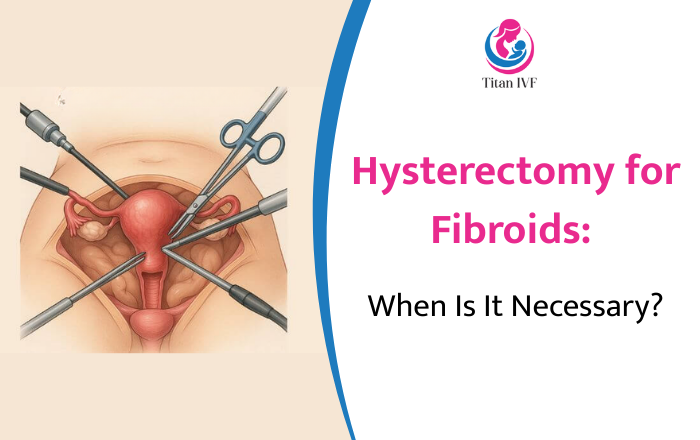
Hysterectomy for Fibroids: When Is It Necessary?
Dealing with fibroid pain every single month — the heavy bleeding, exhaustion, and constant discomfort — can make even ordinary days feel impossible. If your doctor has mentioned a hysterectomy for fibroids, you’re probably wondering: Is this really necessary? Are there other options? You’re asking the right questions. This guide will walk you through everything you need to know simply and clearly so you can make the best decision for your body. What Are Uterine Fibroids? Uterine fibroids are non-cancerous growths that develop in or around the uterus. They are incredibly common — nearly 70–80% of women develop fibroids by age 50. Many women have them without even knowing. But for others, the symptoms are very real and very disruptive. Common Fibroid Symptoms Very heavy periods that soak through pads quickly Pelvic pain or a feeling of pressure in the lower abdomen Bloating or a visibly swollen belly Frequent urge to urinate Pain during sex Difficulty getting pregnant If any of these sound familiar, you’re not overreacting — and you deserve real answers. When Is Hysterectomy for Fibroids Truly Necessary? 1. Other Treatments Have Not Worked Medications, hormonal therapy, or a myomectomy (fibroid removal without removing the uterus) may be tried first. If fibroids keep coming back or symptoms don’t improve, a hysterectomy becomes a strong option. 2. Fibroids Are Very Large or Numerous When multiple large fibroids distort the uterus, removing just the fibroids becomes difficult or ineffective. In these cases, hysterectomy for large fibroids gives permanent, complete relief. 3. Heavy Bleeding Is Causing Serious Health Problems Severe, uncontrolled bleeding can lead to iron-deficiency anemia — leaving you chronically weak and unwell. When bleeding becomes a health risk, a hysterectomy can truly be life-changing. 4. Your Family Is Complete Since hysterectomy ends the ability to conceive, it is generally considered when a woman no longer wishes to have children. If you’re still planning a pregnancy, your doctor will explore fertility-preserving options first. 5. There Is a Risk of Malignancy Though fibroids are almost always benign, if there is any concern about abnormal tissue, hysterectomy may become medically necessary. Hysterectomy vs. Myomectomy — Which One Is Right for You? Comparison Hysterectomy Myomectomy Removes uterus Yes No Fibroids come back? Never Possible Future pregnancy possible? No Yes Best for large/multiple fibroids Yes Sometimes limited If you want to preserve your fertility, myomectomy is explored first. But if your family is complete and you want a permanent solution, hysterectomy is often the better long-term choice. Other Alternatives Worth Discussing Uterine Fibroid Embolization (UFE) — Cuts off blood supply to shrink fibroids Hormonal medications — Temporarily shrink fibroids before surgery Endometrial ablation — Reduces heavy bleeding (not suitable for all cases) A good gynecologist will always discuss these with you before recommending surgery. Recovery After Laparoscopic Hysterectomy Hospital stay: 1–2 days Back to light activity: Within 1–2 weeks Full recovery: 4–6 weeks Pain level: Mild to moderate, manageable with medication A laparoscopic hysterectomy for fibroids means smaller incisions, less blood loss, less post-operative pain, and a quicker return to your daily life compared to open surgery. Frequently Asked Questions Q1. Can fibroids return after a hysterectomy?No. Once the uterus is removed, fibroids cannot grow back. This is one of the biggest advantages over other treatments. Q2. Will I go into menopause after a hysterectomy?Only if your ovaries are also removed. If your ovaries are kept, you won’t enter surgical menopause — but your periods will stop permane Q3. Is hysterectomy the only treatment for fibroids?Not always. It depends on fibroid size, location, your symptoms, and whether you want future pregnancies. Always ask about fibroid treatment options before deciding. Q3. Is hysterectomy the only treatment for fibroids?Not always. It depends on fibroid size, location, your symptoms, and whether you want future pregnancies. Always ask about fibroid treatment options before deciding. Don’t Face This Decision Alone — Talk to a Trusted Specialist Living with fibroid pain, heavy periods, and constant fatigue is not something you have to accept. The right gynecologist will listen, guide you through all your options, and support whatever decision is best for your life. Vibha Hospital, Andheri, Mumbai Dr. Gautam Sonawane & Dr. Priti Sonawane Gynaecologists & IVF Specialists If you’re in Mumbai and looking for trusted, experienced care for fibroids or considering a laparoscopic hysterectomy in Andheri, Vibha Hospital is a name thousands of women rely on. Dr. Gautam Sonawane and Dr. Priti Sonawane bring years of focused experience in gynaecology and IVF — with a warm, patient-first approach that makes a real difference. Book your consultation at Vibha Hospital, Andheri, Mumbai today. Take that first step — because you deserve to feel like yourself again.